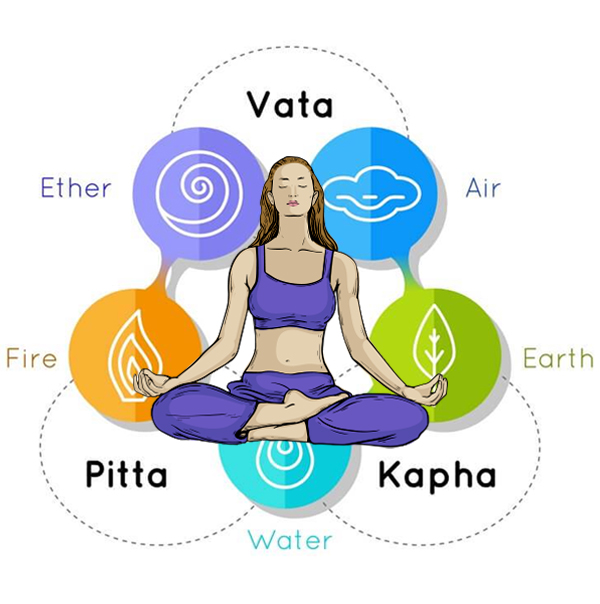
Samhita Siddhanta & Sanskrit (AyUG- SN & AI ,SA2,SA3)
The department of Sanskrit, Samhita and Siddhanta deals with the study of Sanskrit language, the authentic textbooks of Ayurveda and the fundamental principles that constitute the science. The scholars learn the Sanskrit language which is the key to understand the teachings of Ayurveda. They become capable of understanding, reading, writing, and conversing in Sanskrit. They are taught and trained to read and understand the main treatise of Ayurveda like Ashtanga Samgraha, Ashtanga Hridaya, Caraka Samhita, and Susruta Samhita. The basic principles that govern the fundamentals of treatment are imparted through the study of various Siddhanta like Panchamahabhoota Siddhanta, Tridosa Siddhanta, Samanya – Vishesha Siddhanta etc.
Kriya Sharira (AyUG-KS)
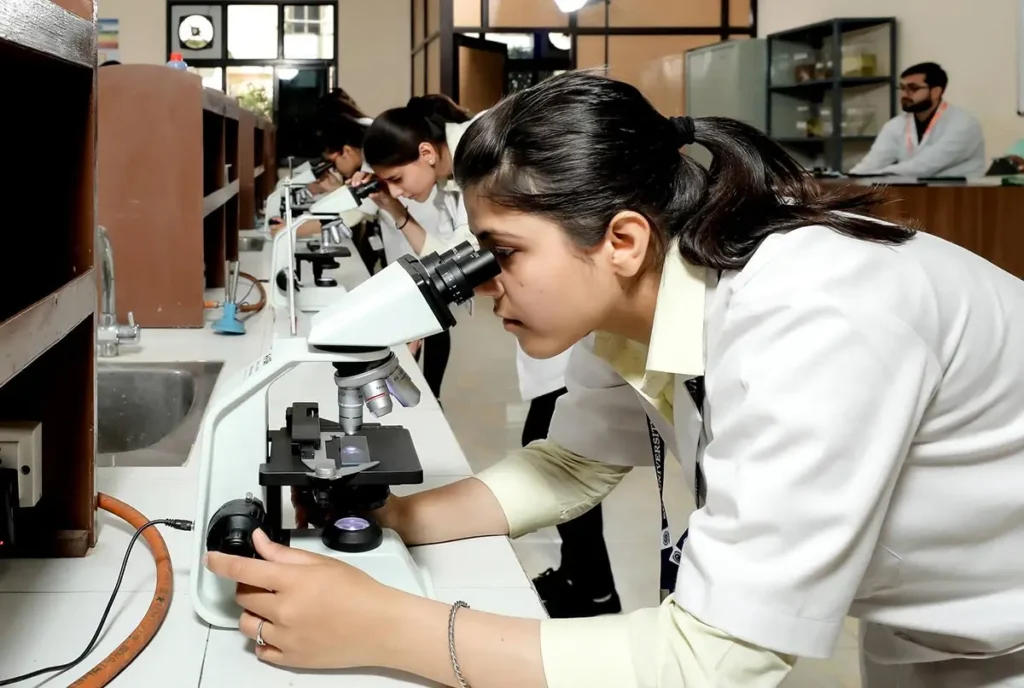
This department is concerned with branch of understanding the physiological (functional) aspects of human body both in Ayurvedic and modern view. This department incorporates a well established laboratory for conducting various physiological experiments in relation with clinical physiology. A well equipped laboratory which offers hematology practicals, urine analysis, human ECG experiments, spirometry etc for a batch of 100 students at a time. comprise of huge number of charts & models also.Kriya sharir is the fundamental subject of Ayurveda, which initiates the learning of Ayurveda at primary level for the students of first BAMS and application of fundamental principles in practice for scholars. After passing XII examination and CET clearance students are conscious and a bit confused before coming to Ayurveda field as it is having a different platform of philosophies and thought processes. There comes the role of Kriya Sharir faculties to make students familiar with Ayurvedic concepts and terminologies in scientific and applied way.
Rachana Sharira (AyUG-RS)
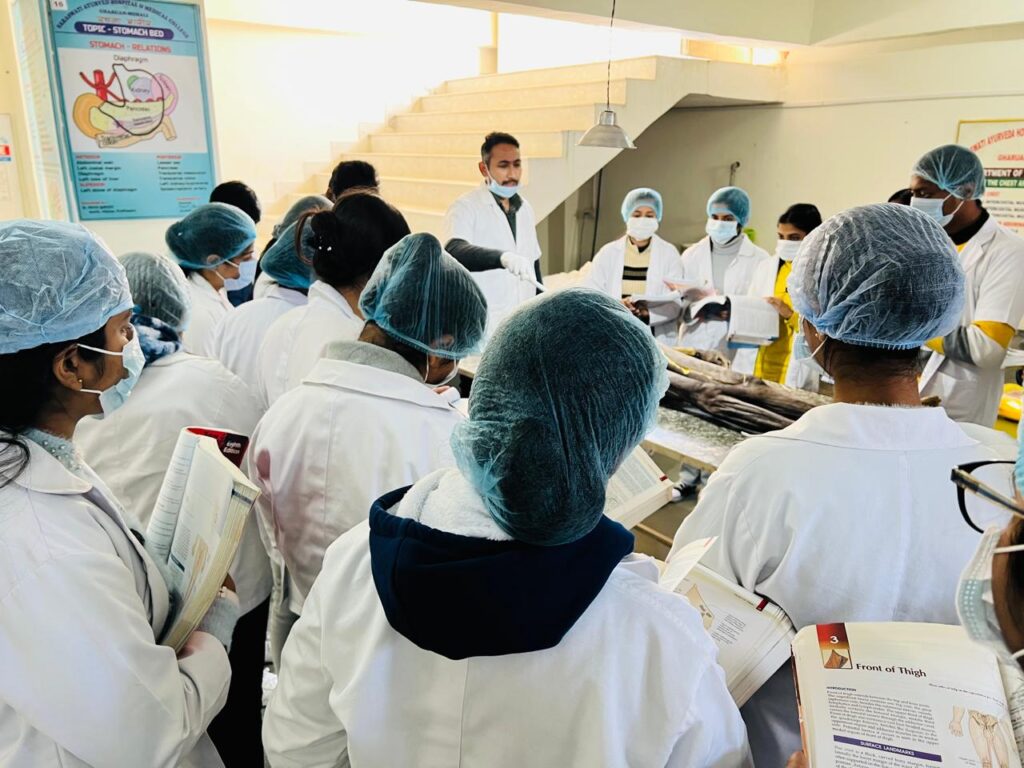
The Rachana Sharira literally means the structural components of the human body. The department is concerned with academic orientation of macro anatomy and micro anatomy of the human body. The department has facilities for human dissection, live demonstration, histological slides, osteology and a well maintained museum exhibiting various human specimens. It is a foundational science for many fields, especially medicine, and involves identifying and describing the body’s parts, often through dissection. It encompasses virtually all aspects of Life ranging from Garbha Sharir (Embryology) to Anthropometry. This is the extremely dynamic subject which is the base mastering skilful orientation in any branch of any Life science.
Swasthavritta & Yoga (AyUG-SW)
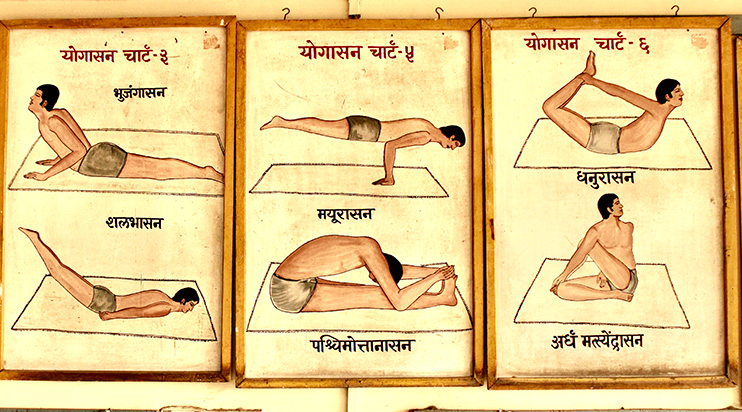
A real strength of Ayurveda is preventive measures and maintaining good health which is included in subject Swasthavritta. So this subject is very important in faculty of AyurvedaThis branch of Ayurveda includes social & preventive medicine, Yoga & Naturopathy. Any change in the dynamic equilibrium of the constituents of the body caused by dietary, lifestyle, routine or climatic imbalances — manifests itself as a disturbance in the physical and mental well being of the person. Ayurveda takes these very individualistic parameters to ease the body back into its rhythm and includes personal hygiene, daily & seasonal routines, social code of conduct & ethics in the journey towards balance.
Dravyaguna (AyUG-DG)
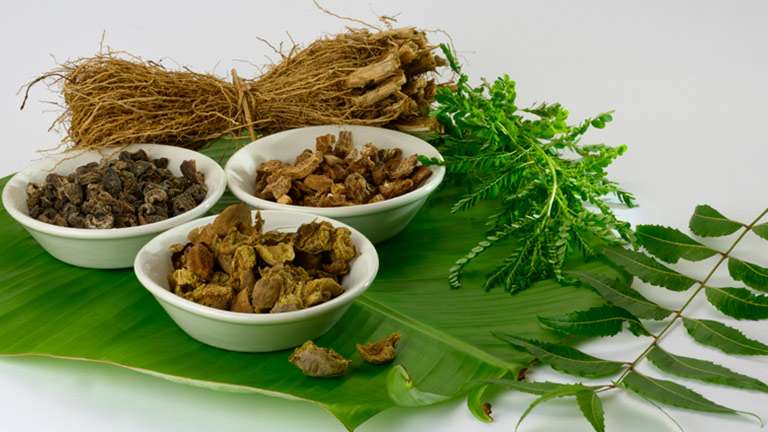
Dravyaguna vinjana(Pharmacognosy) is a branch that deals with knowledge of drugs including its nomenclature, identification,morphological and microscopical characters, medicinal properties and ecological status.Amongst all the available sources of drugs in various therapies herbal drugs are proved to be safest; so more and more people are attracted and wish to undergo only herbal therapy. These Herbal Medicines are gaining more & more importance not only in India but also abroad. The subject also covers Pharmacovigilance aspect of modern & Ayurveda Drugs.The subject has great potential in industries as Dravyagun experts are required in different fields like in Pharmacies and Pharmaceutical companies, Research Institutes. Post graduation in Dravyaguna subject offers wide range of job opportunities.
Rasashastra & Bhaishajyakalpana (AyUG-RB)
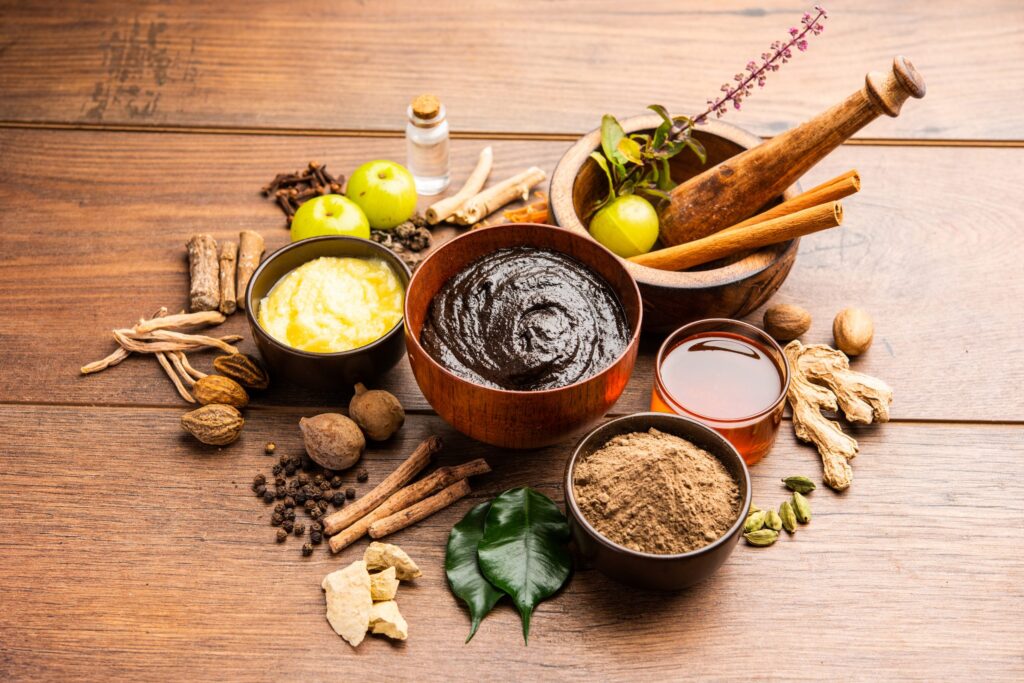
The Bhaishajyakalpana branch deals with pharmaceutical procedures of Ayurveda. The word Bhaishajya means medicine and kalpana means forms hence the branch, which deals with the various forms of medicine such as kashaya (decoction), arishtas(fermented preparation.The Rasasastra is the branch of learning various mineral and herbomineral pharmaceutical preperations mentioned in Ayurveda classics.Rasashastra & Bhaishajya kalpana is one of the most important branches of Ayurveda. It basically deals with the preparation of Ayurvedic medicines using Mercury, various metals, minerals and also various herbs.
Agada Tantra (AyUG-AT)
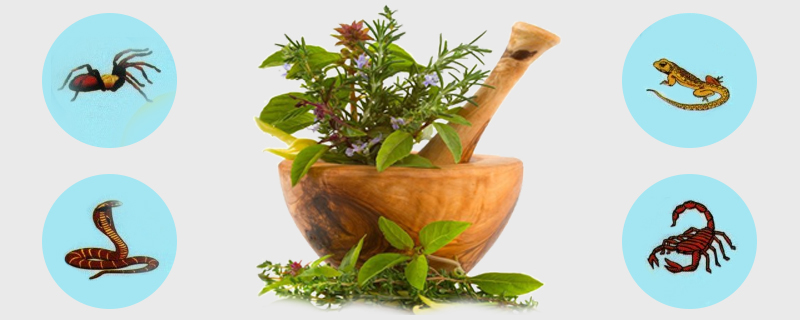
This branch (Toxicology & Forensic) is concerned with the learning of wide range of natural and chemical poisons, its toxic effects on the body and its management. It also deals with forensic science and medico-legal jurisprudence. The department boasts a fully-fledged state of the art museum displaying specimen, charts and models showcasing relevant faces of medical jurisprudence, forensic medicine and toxicology.The Department endeavors to achieve the goal of becoming a benchmark as a quality Medico-legal and Medical Jurisprudence education and opinion provider.
Roga Nidan evam Vikriti Vigyan (AyUG-RN)
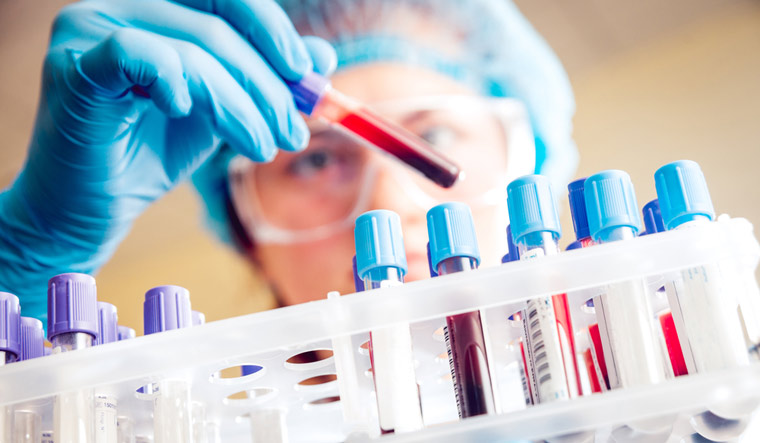
It is the branch of learning aetiopathology of various diseases in Ayuvedic and modern view. This department has well maintained pathology and biochemistry lab facility. Rognidan-Vikrtivigyan is the groundwork of all the clinical subjects. The subject helps you to understand in depth the disease (Vyadhi-vidnyanam) & its pathogenesis (Samprapti Vidnyanam), the art & science of the clinical examination methods (Aatur or Rugna Parikshan Vidhi); the signs & symptoms or clinical features of the disease, the required investigations (Vyadhi pariksha vidhi) & the interpretation of their results as well. The subject deals with not only the diagnosis but also the prognosis (Sadhya-sadhyatwa) of any disease. Thus it renders the student to understand the philosophy as well as practicality of vyadhi-vigyanam.
Kayachikitsa (AyUG-KC)
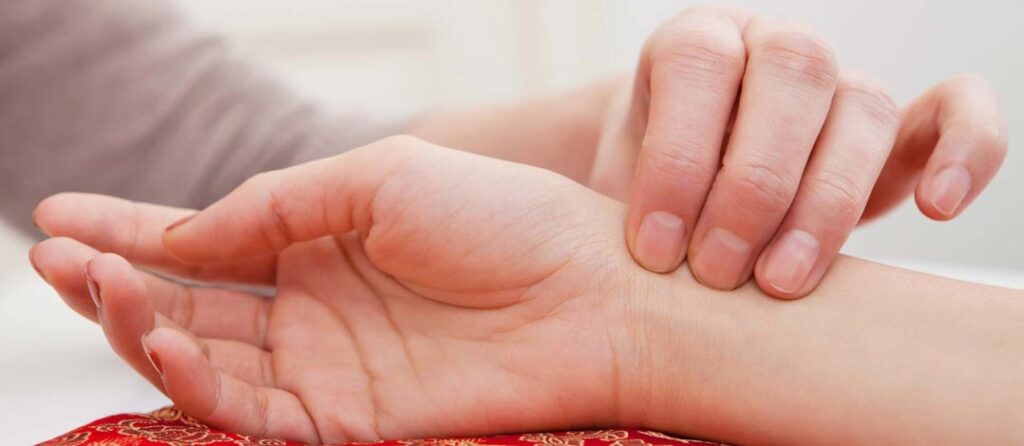
The Kayachikitsa department offers teaching and training modules on general medicine. It comprehensively deals with the diagnosis, assessment of the patient, investigation and effective medical management of various ailments according to the fundamental principles of Ayurveda. The treatment side consists of the usage of a wide variety both internal medicines and external treatment procedures. Department takes effort to prepare best clinicians, academicians and socially aware persons during college life.Department is interested in conducting research in providing cure & care for chronic diseases with the help of Ayurved.The management modality is selected after careful assessment of various constitutional factors of the body and morbidity factors.
Panchakarma (AyUG-PK)
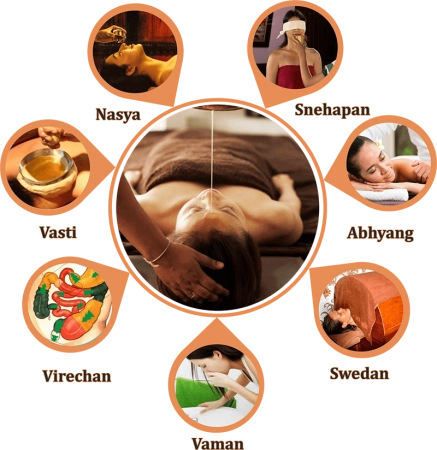
Panchakarma is a comprehensive system of knowledge and practices to purify the body from cumulative body toxins and restore it to balance with natural law. These five therapeutic means of eliminating toxins from the body are Vamana, Virechana, Nasya, Basti and Raktamoskshana. This series of five therapies help remove deep-rooted stress and illness causing toxins from the body while balancing the doshas (factors that govern all biological functions). This department focuses on imparting efficient training on different therapies.Panchakarma therapy increases digestive fire, alleviates diseases, activates the body and mind functions, creates a healthy mind and body, potentiates pleasantness of sensory organs, builds the body, enhances complexion of the body, creates an atmosphere of pleasantness in the body and mind, increases vitality and virilific power in man and he lives long without diseases.
Shalya Tantra (AyUG-ST)
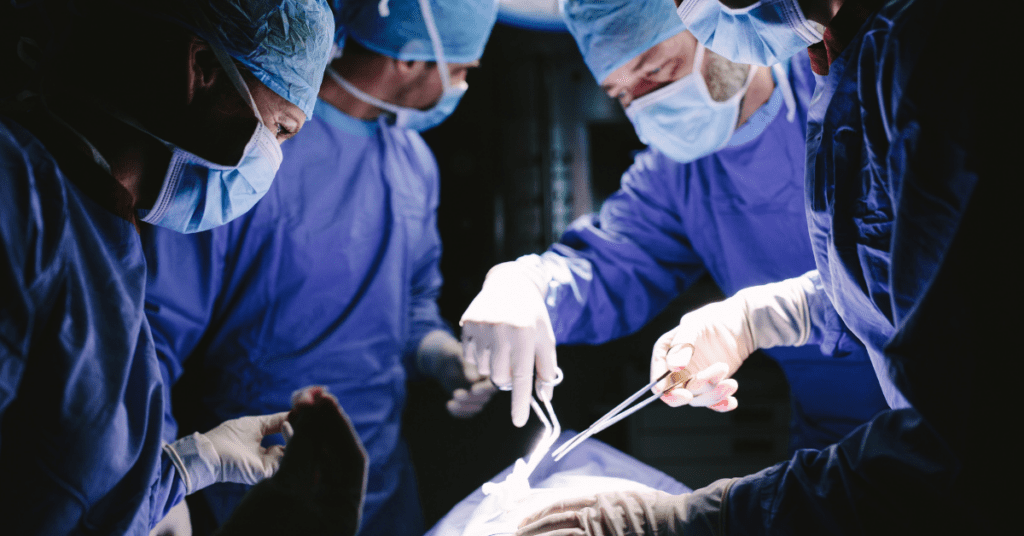
Shalyatantra is the branch of learning different surgical and parasurgical techniques. It also includes emergency management, orthopedics and marma sastra( study of vital points in the body. Teaching and training of general surgery as well as limited practice of ano-rectal surgeries constitute the surgical discipline. Ksharasutra (caustic cauteries), agnikarma (thermo cautery), rakthamokshana (blood letting) are the outstanding parasurgical techniques trained.Surgical knowledge of disease and treatments described in shalyatantra can be researched and used in diseases with minimum complications and side effects. Now a days world is turning to ayurved for comprehensive treatment for diseases.

Shalakya Tantra (AyUG-SL)
This unique branch of Ayurveda deals in particulars with the etiology, diagnosis, prognosis, prevention and treatment of diseases of head, ear, nose, eye and throat. This department is a combination of netrachikitsa(ophthalmology) and karna-nasa-mugha siro roga(ENT). The department offers teaching and training modules in Ophthalmology. Oto-rhino laryngology and dentistry.Knowledge of Shalakya enables the students to be an authority in Shalakyatantra & make him/her a good clinician, a competent surgeon, a good teacher & a scientist with an analytical mind.Shalakyatantra is a subject, which requires the best judgment & clinical acumen and hand skills. To achieve this he/she should have a sound knowledge of various aspects of Shalakyatantra like eyes, E.N.T and orodental.

Kaumarabhritya (AyUG-KB)
It is the branch of Ayurveda that deals with the diagnosis and treatment of diseases associated with pregnancy, childbirth (delivery) and diseases of children (Pediatrics). This department mainly deals with developmental, behavioural, and various metabolic disorders affecting the children.It is one of the eight branches (Ashtang) of Ayurved. Department is having well qualified, studious co-operative and experienced staff. Departmental library is well maintained.
Prasuti Tantra & Stree Roga (AyUG-PS)
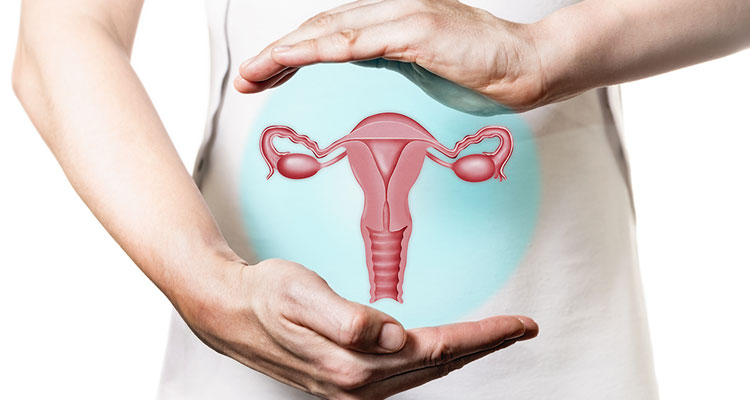
In Ayurveda the term given for Gynecology is Stree roga and Obstetrics is Prasuti tantra. Ayurveda states the ideal guidelines to be followed during pregnancy under the garbhini paricharya. It has given a detailed description of ahara (nutrition), vihara (life style) and vichara (thought process) to be followed during pregnancy. The various disorders and complications during pregnancy along with their treatment have also been highlighted. Stree roga is concerned with the learning of various gynecological disorders and its management.